
UPDATE (Mar. 12, 2026): We updated this post in accordance with the Law’s final text. The original version is archived here.
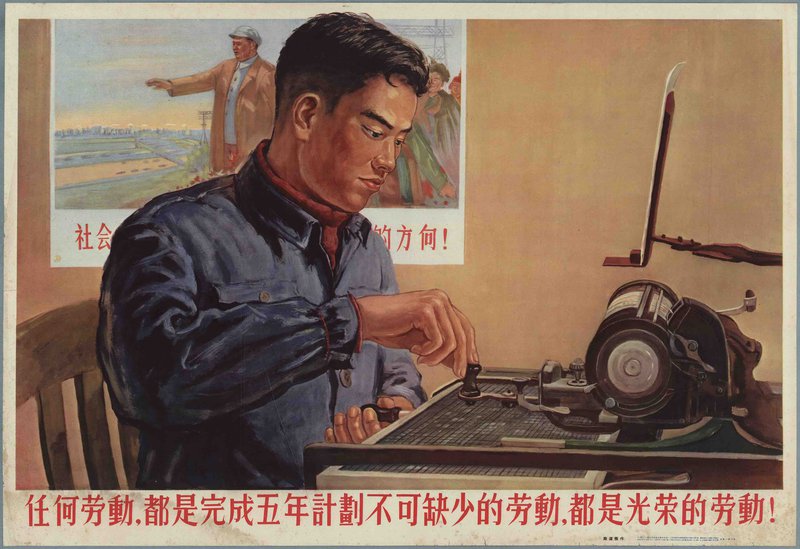
On March 12, 2026, China’s top legislature, the National People’s Congress (NPC), approved the 15th Five-Year Plan (FYP), a roadmap for the nation’s socioeconomic development through 2030. Alongside it, the NPC also adopted the Law on National Development Plans (Law) [国家发展规划法]—the first statute to formalize the procedures for drafting, approving, and implementing FYPs.
Developed over seven decades, the planning process now operates under a mix of written authorities and long-standing customs. In 2018, the Communist Party and the State Council issued a joint opinion imposing a range of procedural and substantive requirements for drafting and implementing FYPs. In 2021, the NPC Standing Committee (NPCSC) overhauled its Decision on Strengthening the Oversight of Economic Work (Oversight Decision) [关于加强经济工作监督的决定]—which governs, among other things, legislative oversight of the planning process. Meanwhile, other features of the process, such as the Party’s quinquennial recommendations for formulating the next FYP, continue as a matter of practice.
The Law codifies that existing regime and regulates the entire lifecycle of an FYP: from drafting (Ch. II) to legislative review and approval (Ch. III), to implementation (Ch. IV) and related oversight activities (Ch. V). Most notably, the Law spells out the Party’s role throughout the planning process. While, unsurprisingly, it contains the now-standard language that national development planning must uphold the Party’s leadership (arts. 3, 5), the Law is the first Chinese statute to assign detailed roles to Party documents and institutions.
UPDATE (Mar. 3, 2026): In a new essay for the Brookings Institution’s John L. Thornton China Center, we further elaborated and commented on the Law’s Party provisions.
Continue reading “NPC 2026: China Enacts Law on the Formulation and Implementation of Five-Year Plans”