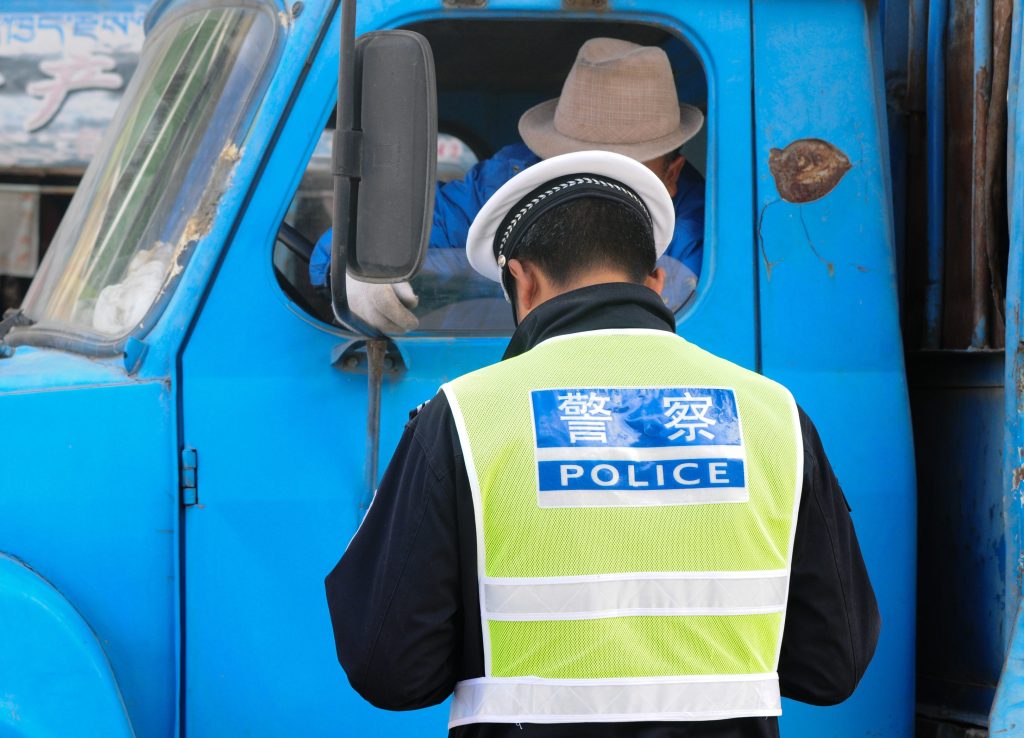

This post is the second and final part of our coverage of China’s revised Public Security Administration Punishments Law (PSAPL) [治安管理处罚法], approved by the Standing Committee of the National People’s Congress (NPCSC) on June 27 and set to go into effect on New Year’s Day. As introduced in Part 1 in more detail, the PSAPL authorizes the police to punish what are deemed minor offenses against the public order through administrative processes outside the criminal justice system. Part 1 focuses on several broader issues that arose during the revision process: the use of administrative detention, the availability of detention hearings, and the vagueness of certain offenses. This part will more comprehensively survey the changes in the revision, though it is still not intended to be exhaustive.
The PSAPL can be roughly divided into three parts: general rules on liability and punishment; offenses and penalties; and procedures for investigating and penalizing public security violations. This post will proceed in the same order. We will draw on Jeremy Daum’s overview of the revision’s first draft as well as a recent explainer by the NPCSC Legislative Affairs Commission (LAC).1 For additional information on the revised PSAPL, please see this English translation by China Law Translate or this Chinese-language comparison chart we have prepared. Inline page citations are to the LAC article, while inline statutory references are to the revised PSAPL unless context indicates otherwise.
Continue reading “China’s Revised Law of Public Order Offenses (Part 2): Key Changes in General Principles, Offenses, and Procedures”